



Bramble Network
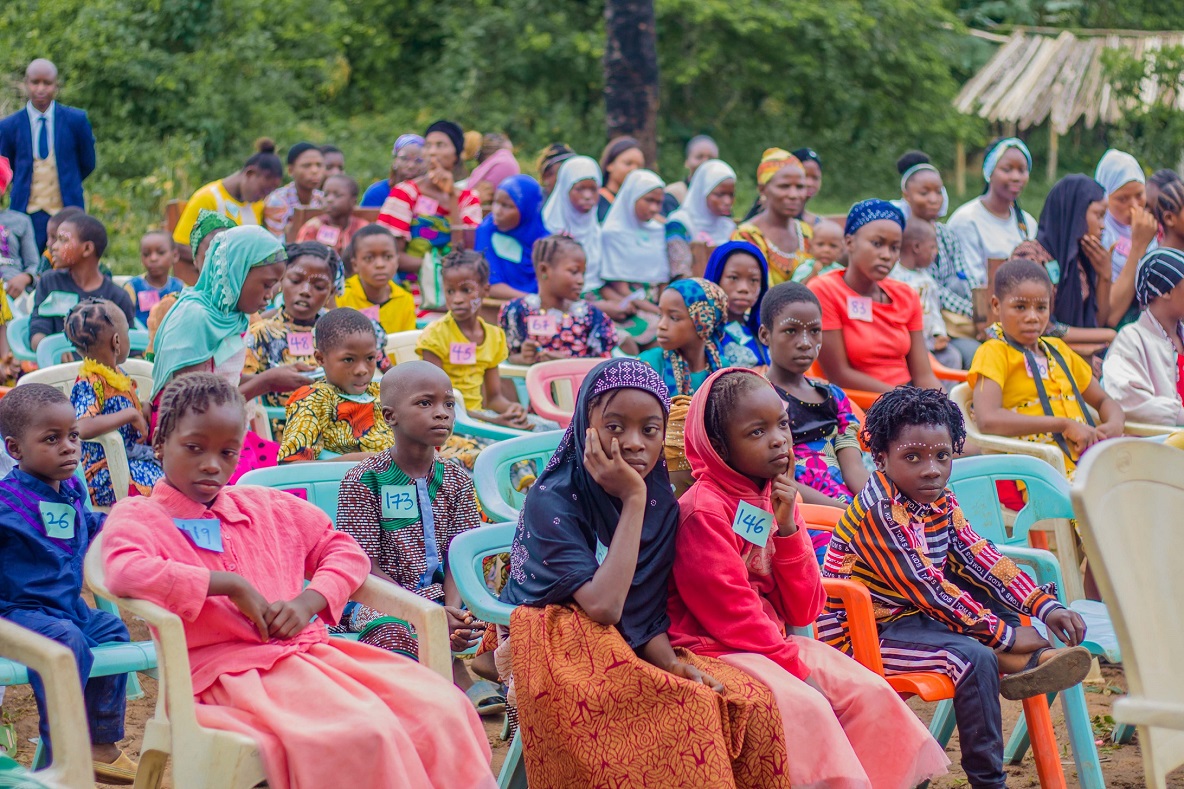
On Friday 10th April, 2026, at our learning center, we held an in-house exhibition where learners got to showcase what they have learned throughout the first quarter of the year.
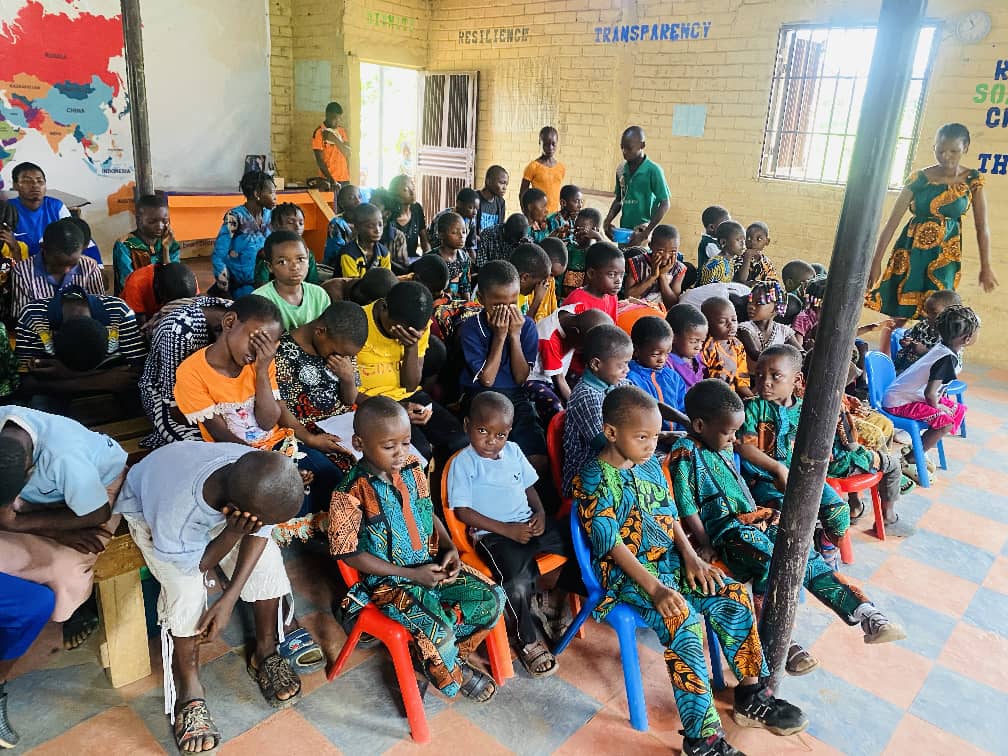
As the second quarter unfolds, we are focused on getting feedback from our learners to assess their understanding of what has been taught over the past three months of academic activities.
Unlike the conventional examination format, this in-house exhibition was organized to give learners the opportunity to express what they have retained so far, without being limited to structured questions or written assessments.
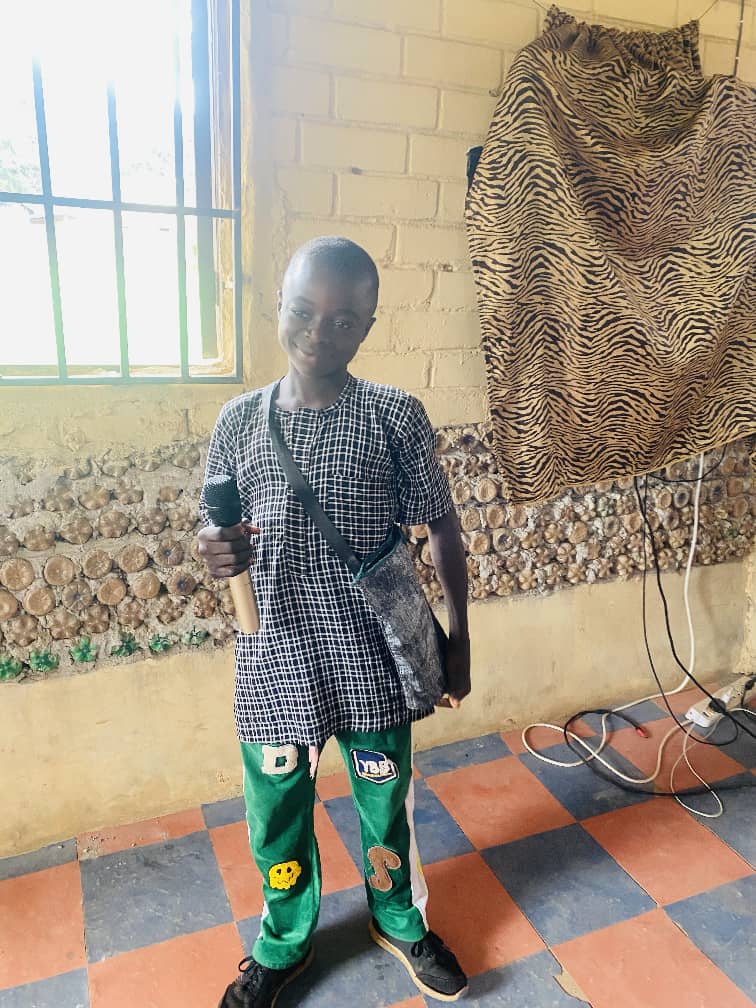
One of our learners, Benjamin Daniel, presented a bag made from reusable materials. His work reflected innovation and problem-solving skills. It also pointed to the importance of sustainability.
By turning simple materials into something useful, his project showed how learning can translate into practical solutions that align with responsible and environmentally conscious practices.
This kind of learning reinforces the idea that innovation should not be treated as something purely theoretical, but as a skill that education can spur in the mind of learners.. As noted in a recent UNESCO article, “Education must therefore not only adapt to innovation: it is the soil from which the innovators of tomorrow emerge.”
Bramble remains intentional about creating learning experiences that allow learners to explore, create, and develop innovative thinking through practical engagement.
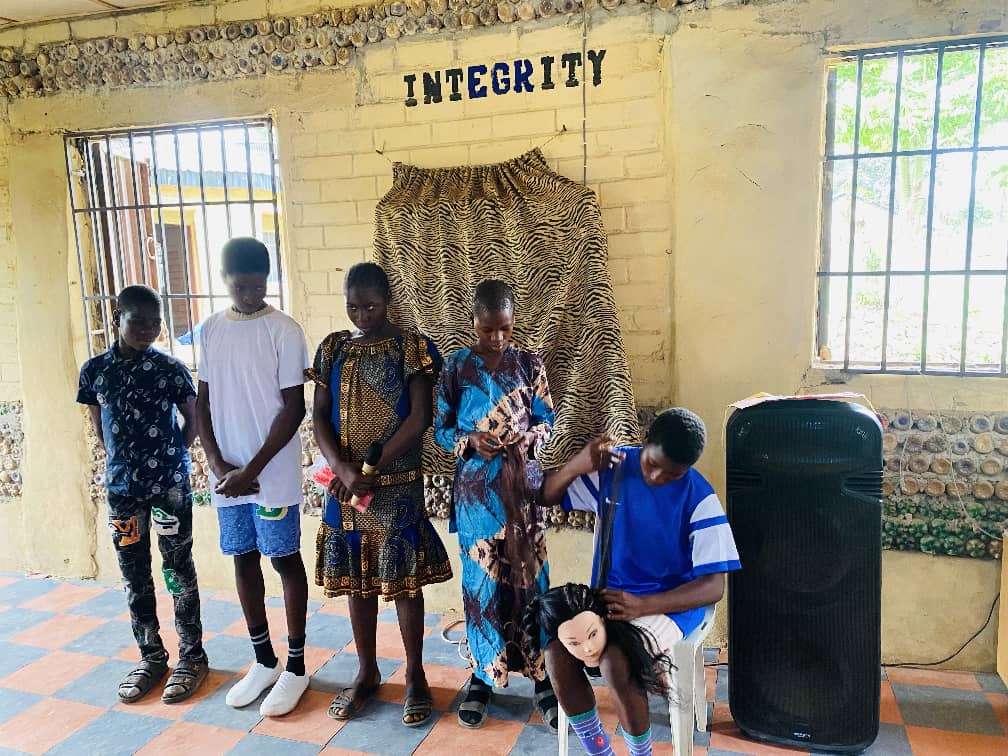
In addition, other learners also presented on topics such as cosmetology and the ecosystem, among others. Each of them demonstrated their understanding in different ways, showing how classroom knowledge can be interpreted and shared in their own words.
The in-house exhibition is one of Bramble’s approaches to raising independent learners who can reflect on and give feedback on what they learn. It exposes learners to speaking opportunities, helping them build confidence and become more comfortable at expressing their ideas.
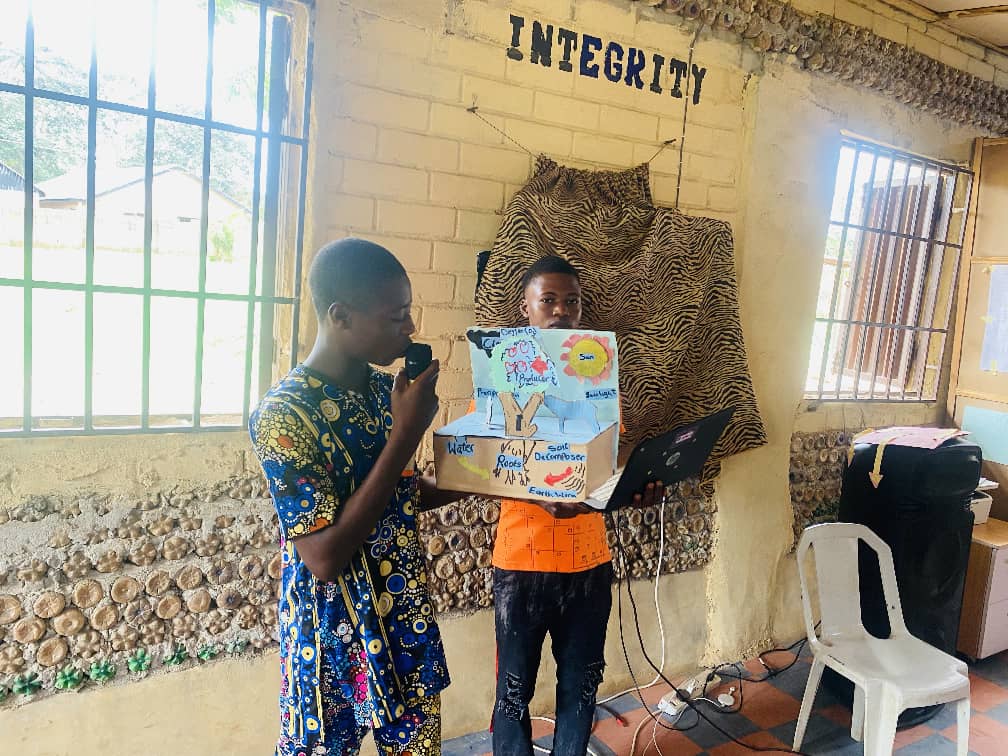
This approach also provides a platform for learners to showcase their class projects such that their theoretical knowledge experience is turned into tangible, shareable ideas, as seen in Benjamin Daniel’s work. It also offers benefits such as improved public speaking, increased confidence, deeper understanding, and encourages innovation and
The learners’ exhibition also helps teachers gain insight into how well lessons are being understood, making it easier to identify areas that may need further attention or improvement.
Our learners experience shows that assessment does not have to be limited to written tests alone. When learners are given the opportunity to both write and speak, they become more versatile in expressing their understanding. It allows them to give feedback not just through written work, but also through spoken expressions and innovative ideas.
As an organization, we encourage parents and guardians to remain actively involved in their children’s learning by paying attention to how they express what they have learned, both at home and in school.
There is also a need for educators and learning communities to explore more flexible and engaging methods of assessment that go beyond traditional testing, as these approaches continue to prove valuable in raising confident, independent, and innovative learners.