



Bramble Network
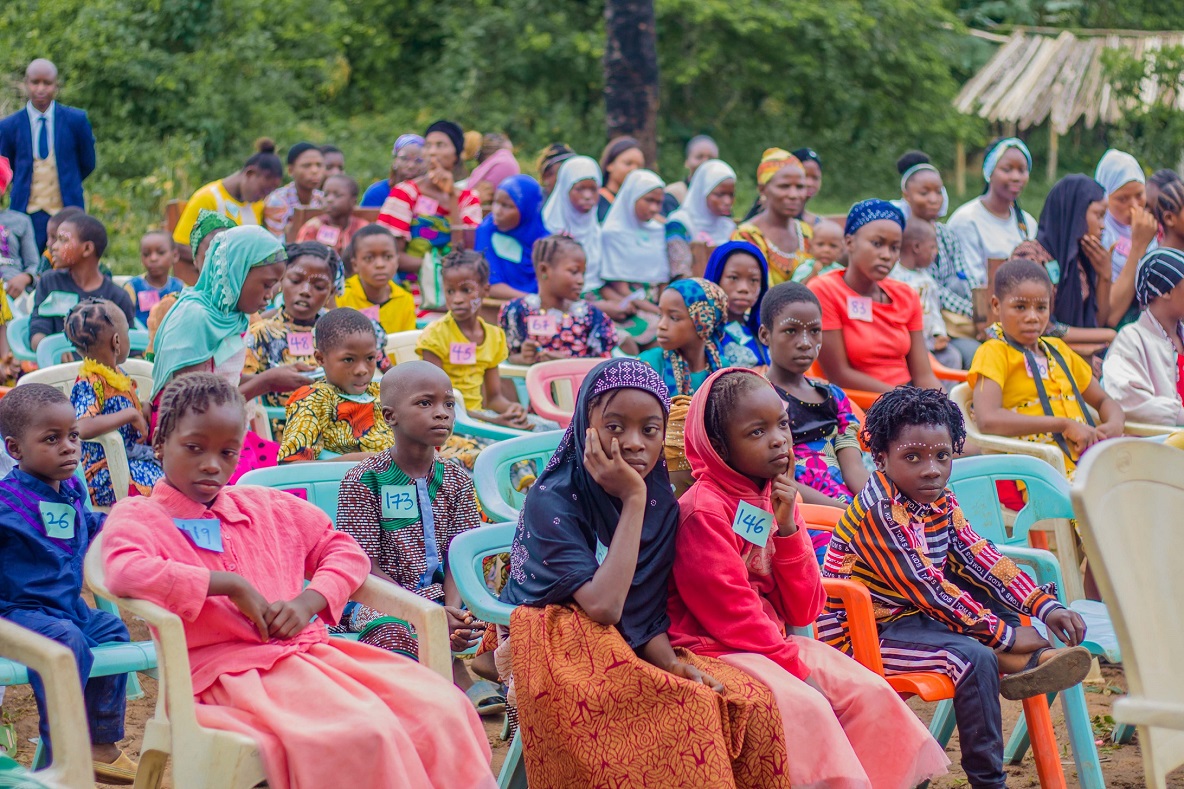
Despite significant progress in global education, stark disparities remain, especially in rural areas where over 272 million children are out of school worldwide, a disproportionately high number of whom reside in rural communities. Nearly one in seven rural children live in poverty, and one in ten do not complete secondary education, underscoring the urgent need for innovative, context-sensitive educational solutions
Engaging Rural Learners Through Hands-On Experiences
One of the most effective teaching approaches gaining traction globally is hands-on learning. This method engages children actively through experiential, tactile activities rather than passive memorisation. This helps them grasp complex concepts through practical application. In rural settings, particularly where resources and infrastructure are limited, this approach develops critical thinking, problem-solving skills, and creativity. It caters to diverse learning preferences.
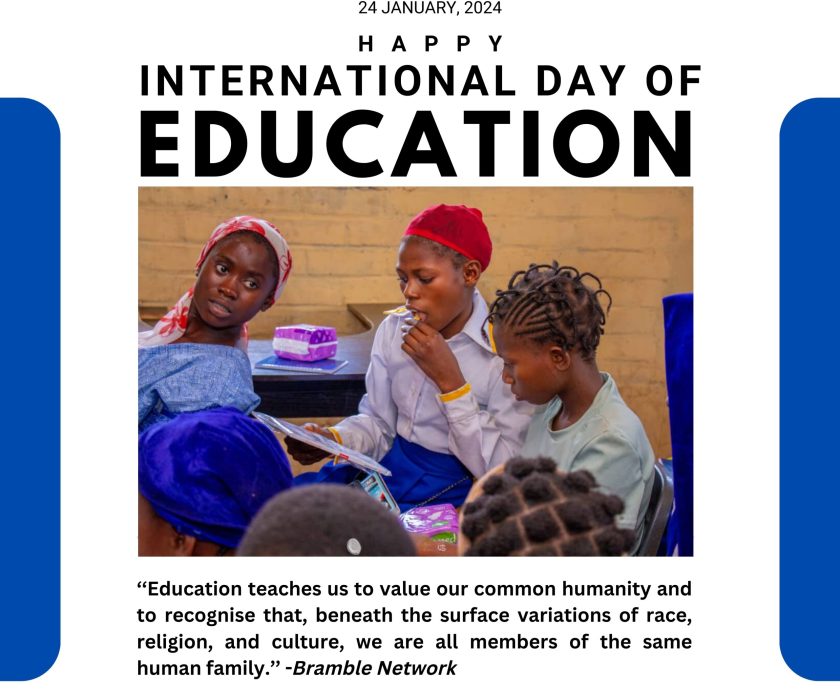
For instance, Bramble Network’s experience in rural Nigeria offers insightful examples. Through creative activities such as crafting, fashion designing, crocheting, and the use of educational kits like the Brambox, learners engage directly with foundational skills in literacy, numeracy, and science. These hands-on activities foster a sense of curiosity and ownership, making learning enjoyable and relevant. Such personalised, learner-centred approaches challenge the conventional “chalk-and-talk” methods, addressing issues of boredom and disengagement common in rural classrooms.
Moreover, this practical learning supports socio-emotional development by encouraging collaboration, communication, and peer learning, which strengthens community bonds. The focus extends beyond academic achievement to nurturing well-rounded individuals equipped with essential life skills.
Technology as a Catalyst for Inclusion and Access
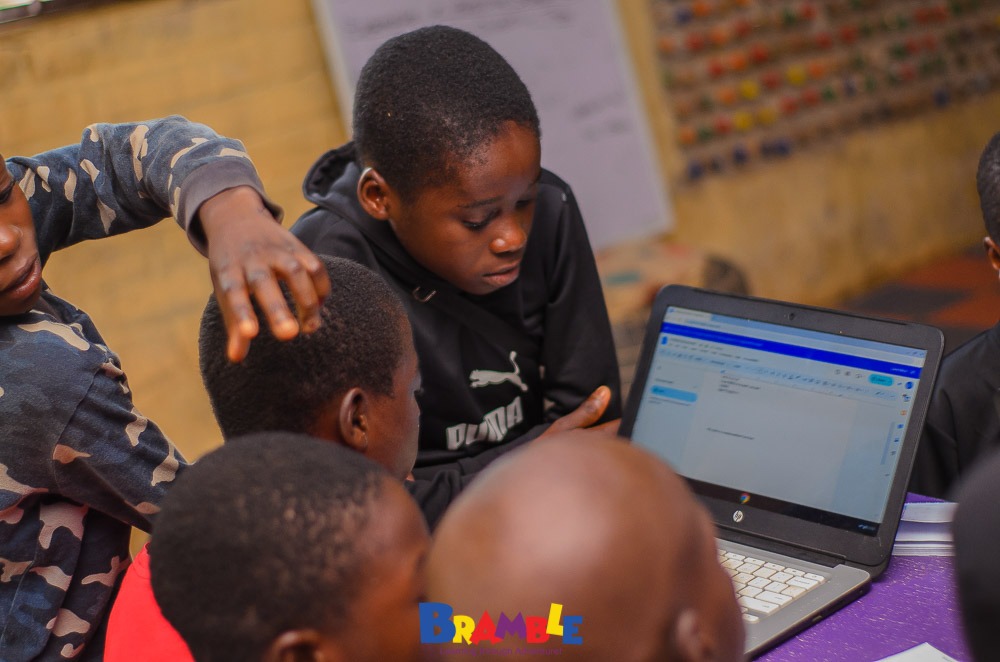
Complementing hands-on learning is technology when thoughtfully integrated. Technology provides powerful tools to bridge educational gaps and offer access to a wealth of interactive materials that can be adapted to different learning levels. This also enhances teacher capacity and improving educational delivery.
Recognising the infrastructural challenges in rural spaces, Bramble Network incorporates technology in a scalable manner. Starting with offline, solar-powered tools and progressing towards digital literacy, our model exemplifies how technology can enhance but not overshadow the learning experience. For example, the Brambox functions effectively without relying on continuous internet connectivity, overcoming power and network limitations prevalent in rural Nigeria.
Technology also facilitates data-driven teaching and personalised learning, creating opportunities for learners to connect to wider knowledge networks beyond their immediate environment. This digital inclusion is vital for preparing rural youth to participate in the global economy and society.
The Synergy of Hands-On and Tech-Enabled Learning
The integration of tactile, experiential learning with accessible technology generates a dynamic and adaptive educational ecosystem. In rural contexts, this hybrid approach maximises strengths while mitigating constraints, fostering deeper engagement and improved learning outcomes.
Bramble Network’s model demonstrates that combining these approaches in culturally appropriate ways leads to greater learner motivation, skill acquisition, and community involvement. Evidence suggests such innovation not only improves academic results but also nurtures lifelong learners capable of contributing meaningfully to sustainable development.
Moving Towards Equitable Rural Education
Globally, closing the rural education gap requires investment in innovative and context-sensitive strategies. Policymakers, educators, communities, and partners must collaborate to expand access to hands-on materials, low-tech digital solutions, and community-led learning spaces.
Bramble Network’s experiences offer valuable lessons on tailoring educational innovation to local realities. Providing children with engaging, joyful, and relevant learning opportunities is critical to empowering rural communities and transforming educational futures.
In conclusion, hands-on and technology-enabled learning are indispensable pillars for inclusive rural education. Their thoughtful combination offers practical pathways to overcoming entrenched challenges and unlocking the potential of millions of rural learners worldwide.