




Bramble Network
On Thursday, March 19, we held a Parents’ Conference and Meeting at our learning centre to engage our learners’ parents on their necessary involvement in their children’s learning process. The meeting featured a health-focused talk and an open house interaction on learner’s progress and academic development.
As an organization that operates in the rural space, we are conscious of the indelible role that active parental engagement in learner’s education plays in improving learner’s academic performance. The United Nations International Children’s Fund (UNICEF) emphasizes this in an article that “parents who prioritize early learning, value playful learning, and take an active role in building their child’s literacy and numeracy positively affect their child’s performance”
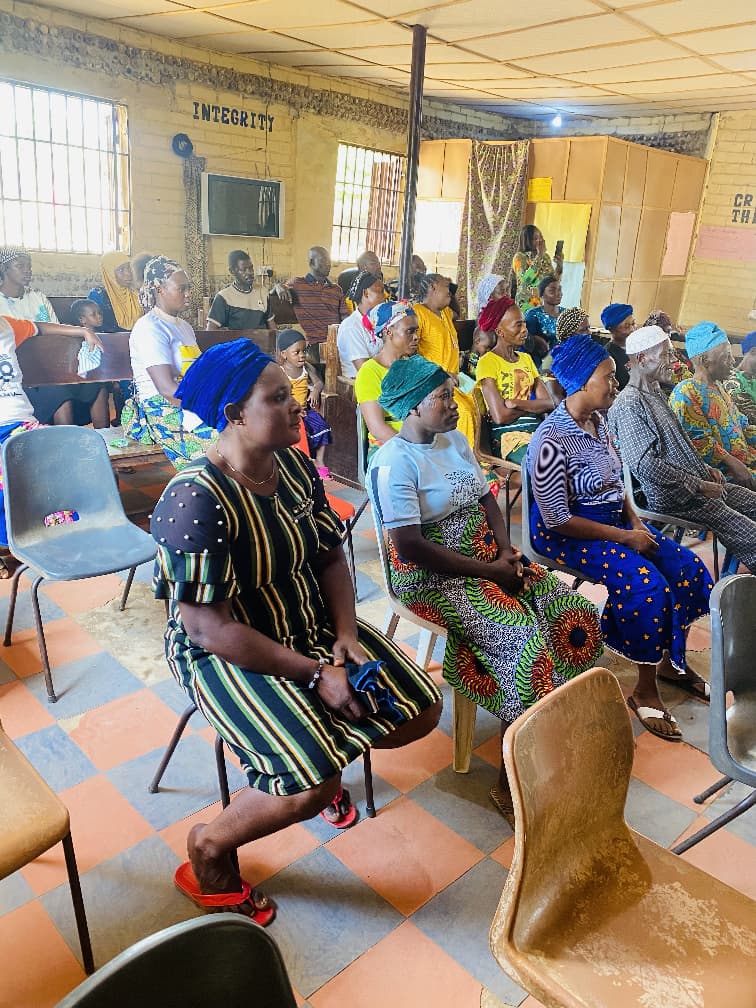
Parental engagement has a positive impact on children’s learning outcomes, and it is germane that this is communicated effectively to enable parents take informed action.
At the conference, our guest speaker, Ms Blessing Awotunde, a senior nursing official at the LAUTECH teaching hospital, lectured the parents on how food and drink choices can affect their health and, by extension, their overall wellbeing. Food and drinks are short-term decisions that can bring about long-term health implications.
She explained how dietary choices can affect overall wellbeing in the long term. Similarly, she recommended making healthy food choices, not limiting this to food alone but also including their beverages.
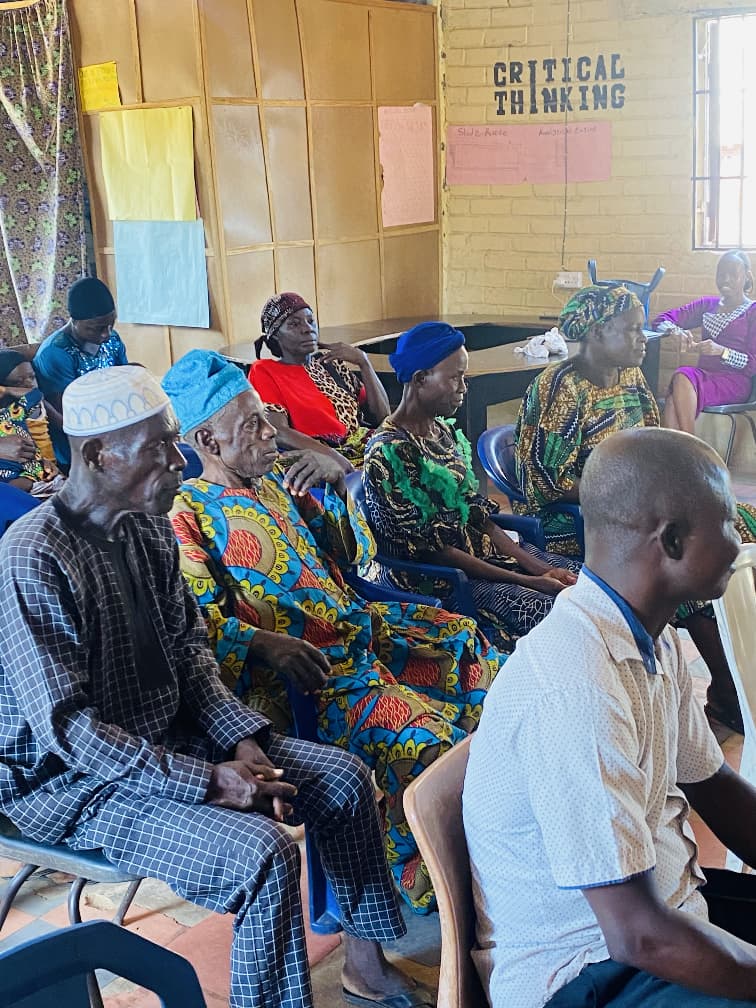
Rev Mrs Agboaye reinforced the points raised, noting that healthy food choices are not separate from daily living. It is a conscious decision that must be made daily by paying attention to what goes into the stomach. In time, food and drink choices will inevitably affect people’s health in the form of health challenges or overall well-being.
After the conference, a discussion session followed, where parents were updated on the progress of learners and vice versa. The weak areas where learners needed academic support were highlighted, citing how their role as parents can help to achieve improvement in those areas.
Parental support is beyond enrolling children in schools; it extends to playing an active part in ensuring that learners are properly supported academically at home. In Bramble, we are particular about not just creating awareness about the importance of parental support but also building a community where each parent clearly understands and undertakes active participation in their child’s learning journey.
Parents should be partners with teachers, doing proper follow-up to ensure that their wards are responding appropriately to what they are being taught in school. Other ways parents can get involved include reviewing the work done in class, ensuring they do their assignments, encouraging a reading culture, among others.
Parents, sponsors and guardians alike should not just be observers in the education process, leaving everything to teachers and learners. Their contribution can help fill the gap between when students are in the classroom and the time spent at home.
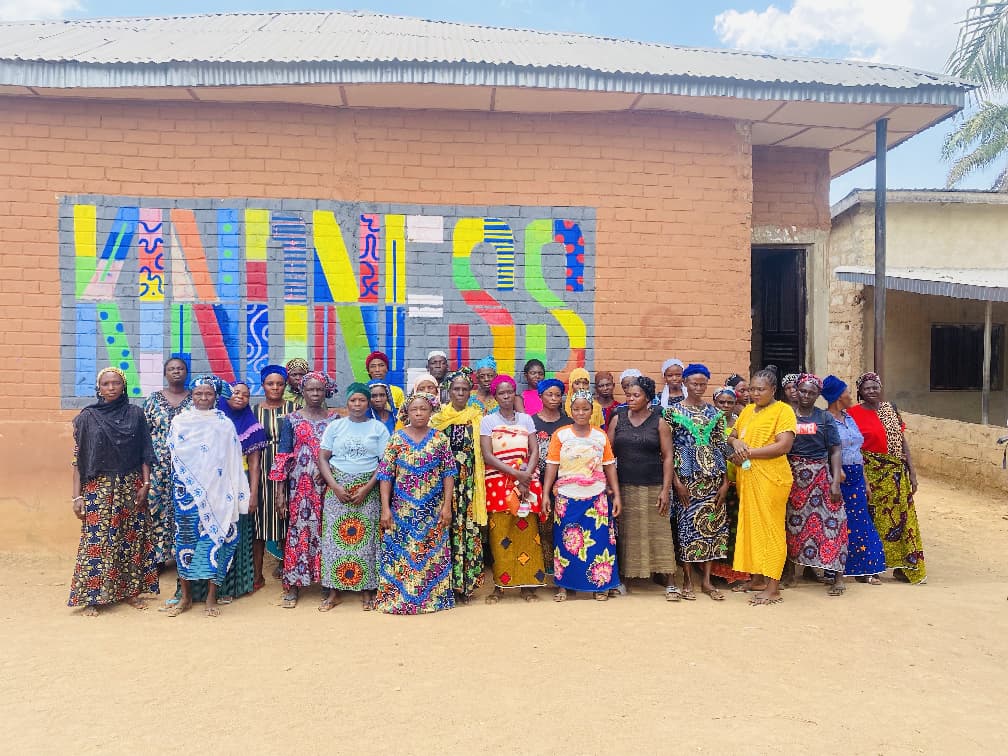
As the meeting came to a close, it reinforced the importance of intentional parenting in both the health and learning of every child. We encouraged parents to not just acknowledge what they learned in the meeting but to take the right course of action. For parents who are already involved in their children’s learning, we encouraged continued participation as it is needed at every phase of a child’s learning.
Bramble Network recommends active parental participation as one of the numerous ways of make learning effective. Schools and learning centers should raise enough awareness among parents while specifying ways they can undertake their roles.
Parents, on the other hand, should understand that parenting covers every aspect of a child’s life, including education, and it doesn’t just stop at sending children to school but extends to being an active part of ensuring positive learning outcomes.